
4 min read
chmod 755 vs 644: What the Numbers Mean and When to Use Each
755 is for directories and programs, 644 for ordinary files. How the three digits are built, why those two are the defaults, and the find command to fix a tree.
Topic
10 articles tagged “security”.
755 is for directories and programs, 644 for ordinary files. How the three digits are built, why those two are the defaults, and the find command to fix a tree.
Commit .env.example and never .env. What each file is for, what belongs in the template, the .gitignore lines that work, and what to do after a leak.
Anyone can read a JWT's payload with no key. What is actually inside a token, why decoding proves nothing, and the checks that make a token trustworthy.
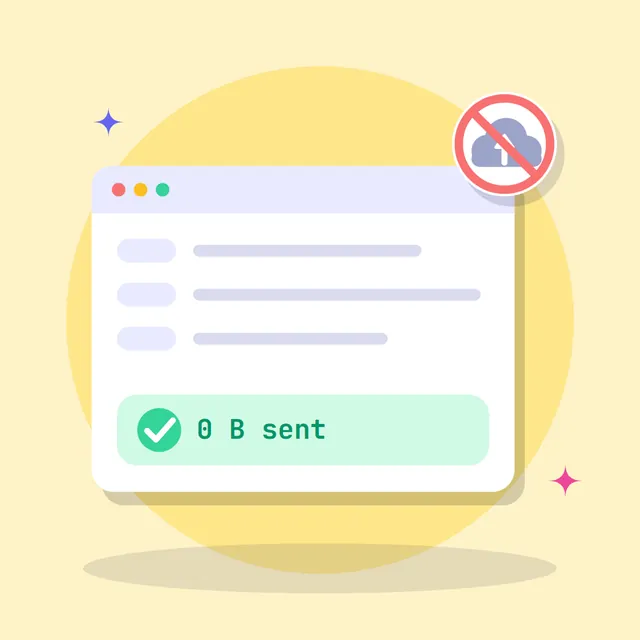
Most online PDF and image tools send your file to a server. Three browser checks that show whether one does, and the catch that can fool you.
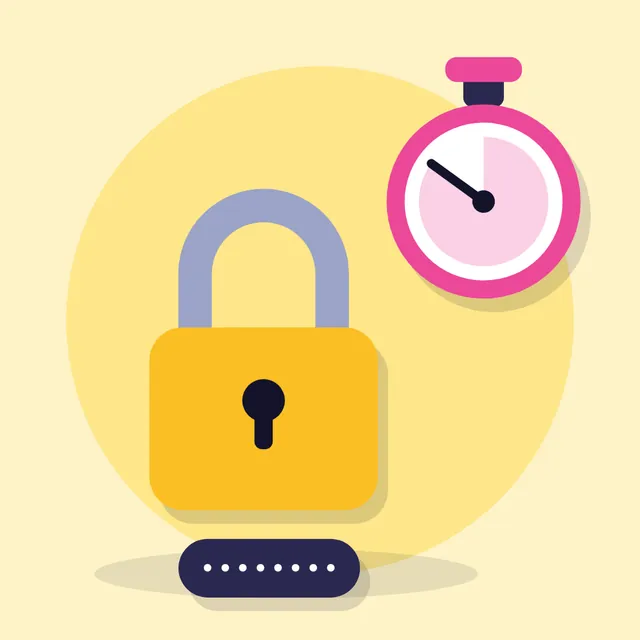
The answer depends far more on which hashing algorithm protects the password than on its length or symbols. Here is the actual math, worked through for both.

A QR code is just a wrapper around a URL, with no way to preview the destination before you scan. That single gap is the entire attack, and it has a name now.
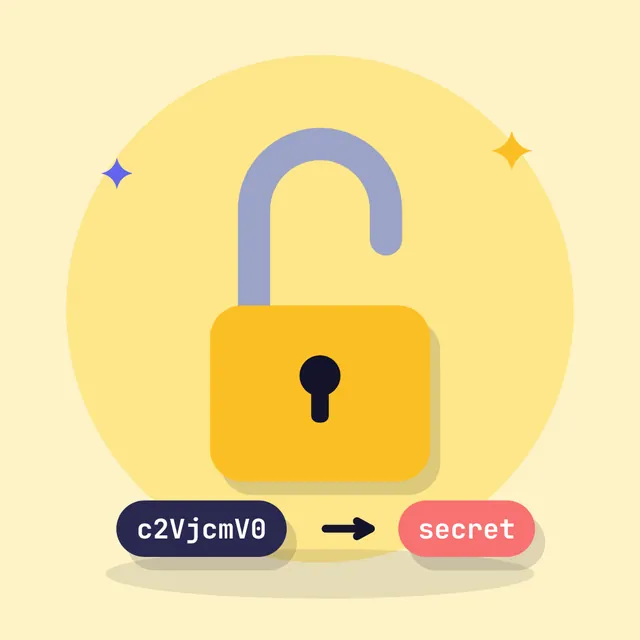
Base64 is an encoding, not a cipher. It has no key, protects nothing, and is trivially reversible — here is what it is actually for.
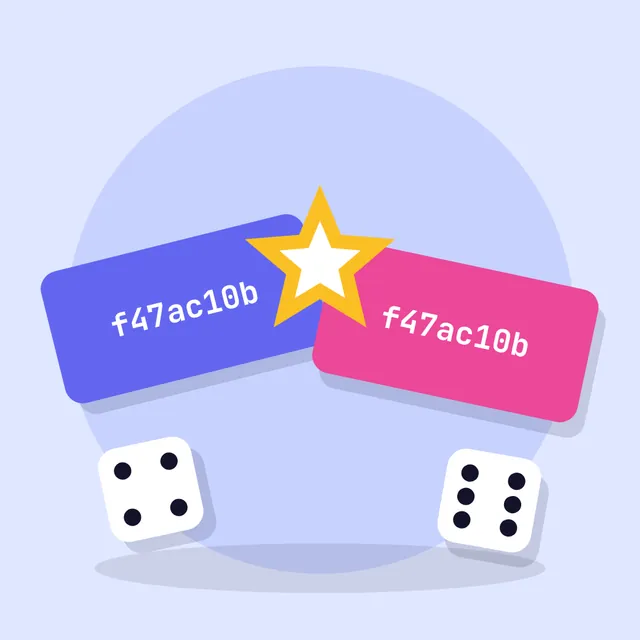
UUIDs are said to be unique enough to ignore the possibility of a collision entirely. Here is the birthday-paradox math behind that claim, worked out in full.
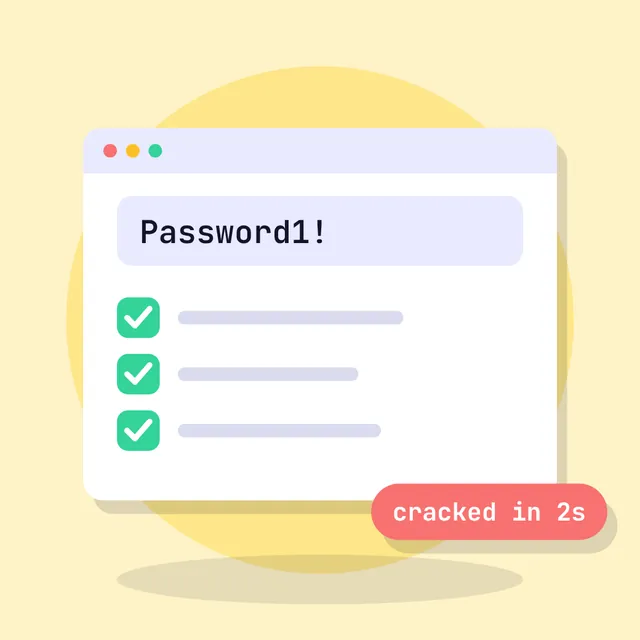
Requiring a capital letter, a digit and a special character feels like it should help. NIST dropped the recommendation, because in practice it mostly doesn't.
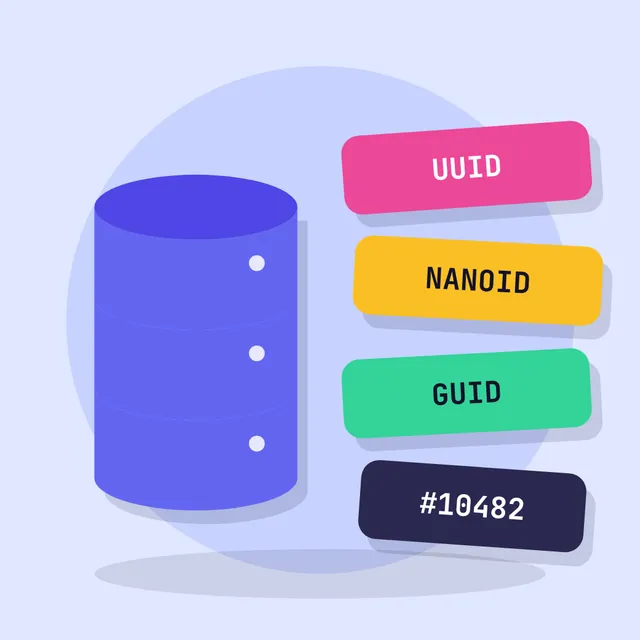
Four common ways to identify a row, and the trade-offs that actually distinguish them: size, coordination, what they leak, and whether others use the format.